
DIY Plumbing: How to Perform Basic Pipe Repairs Safely


Introduction to DIY Plumbing
DIY plumbing can be a rewarding and cost-effective way to maintain your home. Performing basic pipe repairs yourself not only saves money but also gives you more control over your home's plumbing system. However, it's crucial to proceed with caution and ensure safety at every step.
Understanding Basic Tools
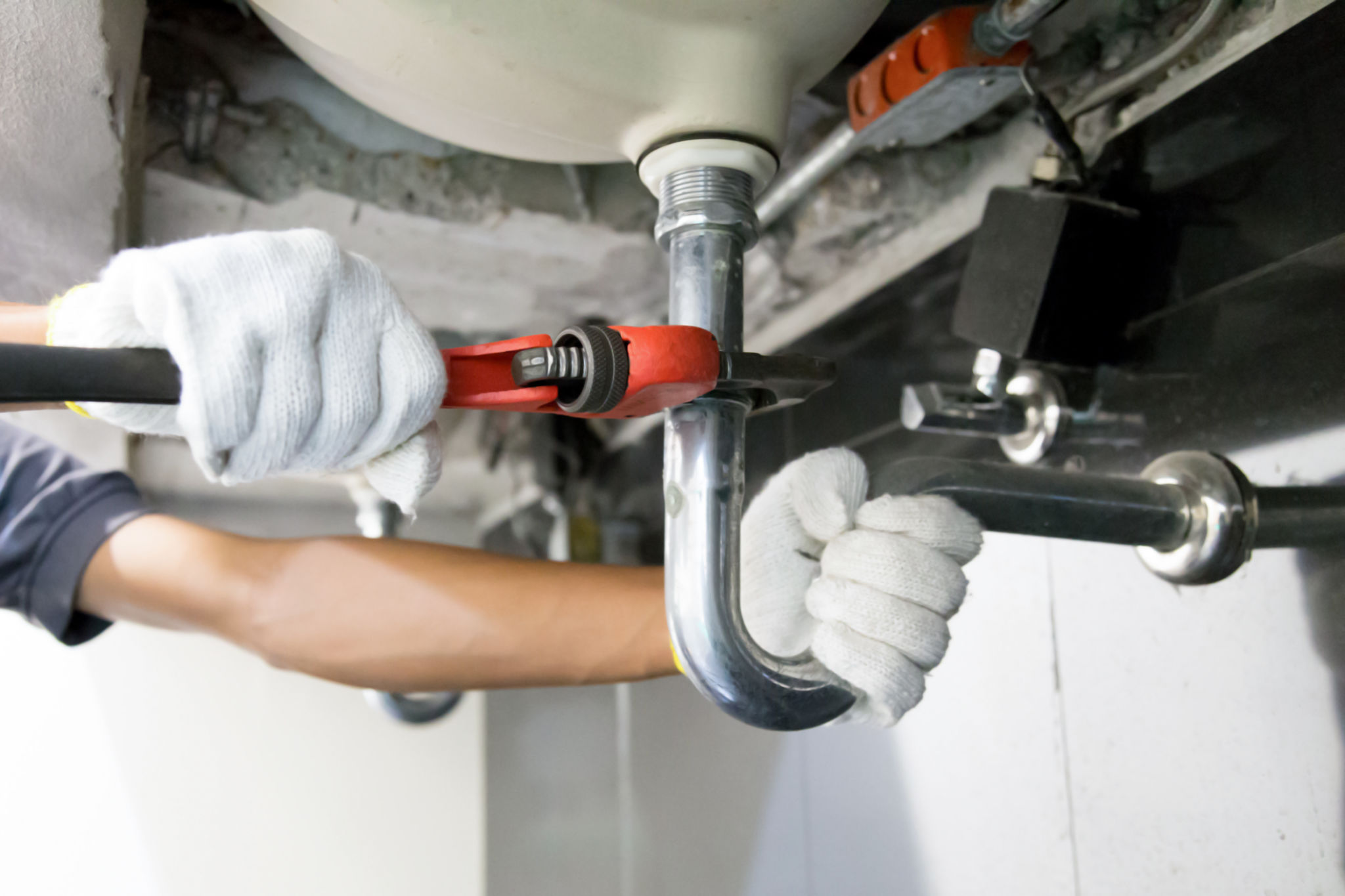
Before you begin any plumbing repair, familiarize yourself with essential tools. Some basic tools include a pipe wrench, pliers, a plunger, and Teflon tape. Having these tools on hand will make the process smoother and more efficient.
In addition to tools, you'll need to understand the different types of pipes in your home. Common materials include copper, PVC, and PEX. Knowing what type you are working with will help you choose the right repair method.
Identifying the Problem
The first step in any repair is identifying the problem. Common issues include leaks, clogs, and corrosion. Look for visible signs of damage, such as wet spots, rust, or unusual noises.

Shutting Off the Water Supply
Before you start any repair, always shut off the water supply. Locate the nearest shut-off valve and turn it clockwise to stop the flow of water. This step prevents further damage and makes repairs safer.
Fixing Leaks
Leaks are a common issue and can often be fixed with simple solutions. For minor leaks, applying Teflon tape to the threads of the pipe joint can seal the leak effectively. Simply wrap the tape around the threads and reassemble the joint.
For more significant leaks, you may need to replace a section of the pipe. Use a pipe cutter to remove the damaged section and replace it with a new piece, ensuring to seal the connections with appropriate fittings.
Unclogging Drains
Clogged drains can be troublesome but are usually easy to fix. Start by using a plunger to dislodge the blockage. If this doesn't work, a plumber's snake can be used to reach deeper clogs.
For persistent clogs, consider using a chemical drain cleaner. However, use these products sparingly as they can be harsh on your pipes and the environment.
Ensuring Safety
Safety should always be your top priority. Wear protective gear such as gloves and goggles, especially when dealing with chemicals or sharp tools. Additionally, ensure your workspace is well-lit and free from hazards.

When to Call a Professional
While DIY plumbing can handle many basic repairs, some situations require professional expertise. If you're dealing with complex systems, persistent issues, or lack confidence in your skills, it's best to call a licensed plumber.
Remember, the key to successful DIY plumbing is knowing your limits and prioritizing safety above all else.